

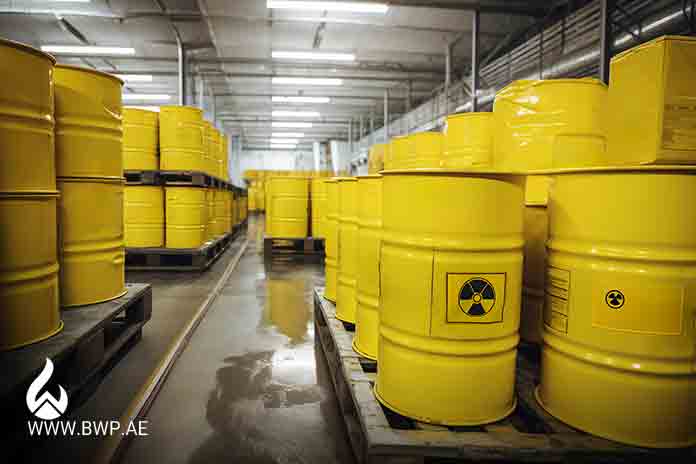
The global energy industry thrives on efficiency, and oil storage plays a critical role in ensuring a steady supply chain. Whether you’re an oil trader managing fluctuating inventories, a refinery optimizing production, or a company seeking temporary storage solutions, renting oil storage facilities offers an attractive and flexible alternative to building and maintaining your own infrastructure.
Renting oil storage is not just a logistical solution; it’s a strategic advantage. It allows businesses to adapt to market dynamics, store excess inventory during periods of low demand, or secure reserves near key trading hubs. With options ranging from large-scale terminals to specialized tanks, companies can tailor their storage needs to align with operational goals.
Base Oil Group 1 Products BWP : Base Oil SN150
In today’s competitive energy markets, the demand for accessible, safe, and cost-effective storage is greater than ever. Oil storage facilities for rent provide an efficient way to manage supply chain challenges without the upfront investment of constructing permanent infrastructure. Whether you’re managing crude oil, refined products, or specialty fuels, these facilities are designed to accommodate a wide range of storage needs.
Beyond cost savings, renting oil storage offers flexibility and scalability. Companies can lease facilities on a short- or long-term basis, enabling them to quickly adjust to changing market conditions or seasonal demand. Additionally, modern storage facilities are equipped with advanced safety features and environmental compliance measures, ensuring that your operations meet regulatory standards while protecting valuable inventory.
This guide explores everything you need to know about renting oil storage. By understanding the advantages and opportunities of this vital service, you’ll be well-equipped to make informed decisions that optimize your supply chain, reduce costs, and enhance operational efficiency.
Ready to discover the possibilities? Dive into the world of oil storage for rent and unlock a smarter, more strategic approach to managing your oil inventory.

Types of Oil Storage Facilities
When it comes to managing oil inventories, the type of storage facility you choose is critical. Each facility type is designed for specific storage needs, offering unique features to ensure efficiency, safety, and compliance. Understanding these options can help you make informed decisions and maximize your storage strategy.
1. Above-Ground Storage Tanks (ASTs)
Above-ground storage tanks are among the most common options for oil storage. These tanks are highly visible and accessible, making inspections, maintenance, and monitoring more straightforward. They come in various shapes and sizes, such as cylindrical, vertical, or horizontal tanks. ASTs are ideal for storing large quantities of oil in areas where space is not a constraint, and they are often equipped with safety features like fire suppression systems and secondary containment.
2. Underground Storage Tanks (USTs)
For locations where space is limited or environmental aesthetics are a concern, underground storage tanks offer a discreet solution. These tanks are buried below the surface and are commonly used for storing petroleum products at fuel stations or industrial sites. While USTs require robust leak detection systems and regular maintenance to prevent environmental contamination, they are an efficient choice for long-term storage.
3. Floating Roof Tanks
Designed to minimize evaporation losses, floating roof tanks are commonly used for storing crude oil and other volatile liquids. These tanks have a floating roof that moves with the liquid level, creating a seal that reduces vapor emissions. They are particularly useful in regions with stringent environmental regulations.
4. Fixed Roof Tanks
Fixed roof tanks are enclosed with a stationary roof, making them suitable for storing less volatile products like fuel oil or diesel. These tanks are simple in design and are often used for smaller volumes.
5. Specialized Storage Solutions
In addition to standard tanks, some facilities offer niche options like offshore storage units, barge-based tanks, and modular containers. These solutions cater to specific operational needs, such as remote storage or transport flexibility.
By choosing the right oil storage facility, businesses can optimize their operations while ensuring safety and compliance.
Key Benefits of Renting Oil Storage
Renting oil storage offers a versatile and cost-effective solution for businesses in the energy sector. Whether you’re managing excess inventory, navigating seasonal fluctuations, or expanding operations, renting provides unique advantages that owning facilities cannot match. Here are the key benefits of opting for rented oil storage:
1. Cost Efficiency
One of the primary benefits of renting oil storage is avoiding the significant capital expenditure associated with constructing and maintaining your own facility. Renting allows businesses to allocate resources more strategically, focusing on core operations instead of infrastructure. Additionally, rented facilities often include maintenance and compliance, reducing operational overhead.
2. Flexibility
The energy market is dynamic, and your storage needs may vary. Using Oil storage for rent gives you the flexibility to scale up or down based on demand, inventory levels, or market conditions. Whether you need short-term storage during a production surplus or long-term capacity for strategic reserves, renting offers adaptable solutions.
3. Strategic Locations
Many Oil storage for rent facilities for rent are situated near critical infrastructure like ports, refineries, or major trade hubs. This proximity ensures efficient transportation and access to key markets, reducing logistical complexities and costs. For businesses involved in oil trading, location can be a decisive factor in gaining a competitive edge.
4. Regulatory Compliance
Renting from established storage providers ensures that your oil is stored in facilities that meet rigorous safety and environmental standards. These facilities are equipped with modern technologies, such as leak detection systems and vapor recovery units, which help your business remain compliant with industry regulations.
5. Operational Reliability
Rented facilities are often professionally managed, with trained staff handling maintenance, safety protocols, and inventory management. This professional oversight reduces the risk of disruptions and ensures the safe handling of your products.
6. Risk Mitigation
By renting storage, companies can test market opportunities without the financial risk of long-term commitments. This approach is particularly beneficial for startups or businesses entering new markets.
In a competitive and unpredictable energy market, renting oil storage empowers businesses to stay agile, reduce costs, and optimize supply chain efficiency.
Factors to Consider When Renting Oil Storage
Using Oil storage for rent is a practical solution for businesses seeking flexibility and cost efficiency, but not all storage facilities are created equal. To ensure your storage needs are met effectively, it’s important to evaluate several critical factors before signing a lease. Here’s what you should consider:
1. Capacity and Storage Requirements
Determine the volume of oil you need to store and ensure the facility can accommodate it. Storage facilities vary in size, from small tanks for temporary needs to massive terminals for large-scale operations. Additionally, consider the type of oil—crude, refined products, or specialty fuels—as some facilities are designed for specific materials.
2. Location
The facility’s location is a key factor in minimizing transportation costs and optimizing supply chain efficiency. Proximity to pipelines, ports, refineries, or distribution hubs can significantly streamline logistics. For trading companies, storage in strategic hubs like Rotterdam, Singapore, or Fujairah can provide a competitive edge.
3. Safety Features of Oil storage for rent
Safety should be a top priority when selecting an oil storage for rent facility. Look for features such as fire suppression systems, spill containment measures, and robust security. Modern facilities often include advanced technologies like leak detection systems and emergency response protocols to protect your inventory and mitigate risks.
4. Regulatory Compliance
Ensure the storage provider complies with local and international regulations, including environmental standards. Facilities with certifications or compliance records can help you avoid fines, legal issues, and reputational damage.
5. Lease Terms and Costs
Evaluate the terms of the lease carefully. Consider factors like the duration of the rental, pricing models (flat fees vs. usage-based fees), and responsibilities for maintenance and insurance. Understanding these details upfront can help avoid unexpected expenses.
6. Infrastructure and Accessibility
The facility should be equipped with modern infrastructure, including efficient loading and unloading systems. Easy access for trucks, ships, or pipelines ensures smooth operations.
By thoroughly assessing these factors, you can choose the right oil storage facility that meets your business’s operational needs while ensuring safety, compliance, and cost efficiency.

Top Oil Storage Locations Worldwide
The global energy market relies on strategically located oil storage facilities to ensure smooth operations and efficient trading. These locations are often close to key production areas, trading hubs, and transportation networks, making them critical for businesses managing oil inventories. Here are some of the top Oil storage for rent locations worldwide, including a spotlight on Dubai’s growing prominence:
1. Oil storage for rent in Rotterdam, Netherlands
As Europe’s largest oil hub, Rotterdam is central to global oil storage and trading. The Port of Rotterdam offers extensive storage infrastructure, including advanced terminals capable of handling crude oil, refined products, and chemicals. Its strategic location connects to key markets across Europe, making it a preferred choice for businesses targeting the EU market.
2. Cushing, Oklahoma, USA
Known as the delivery point for WTI crude oil futures, Cushing is one of the most important oil storage hubs in the world. With a vast network of pipelines, the storage facilities here play a critical role in North America’s oil supply chain. It serves as a barometer for oil prices globally due to its pivotal role in futures trading.
3. Oil storage for rent in Fujairah, UAE
Located along the Gulf of Oman, Fujairah is a strategic oil storage hub in the Middle East. Its proximity to the Strait of Hormuz makes it a key transit point for global oil exports. Fujairah’s state-of-the-art storage terminals cater to a wide range of petroleum products, attracting businesses from around the globe.
4. Singapore
As Asia’s oil trading center, Singapore is home to some of the region’s largest and most sophisticated oil storage facilities. Its strategic location at the crossroads of major shipping lanes makes it indispensable for companies targeting Asian markets.
5. Dubai, UAE
Dubai has emerged as a significant oil storage hub, thanks to its robust infrastructure and proximity to major production areas. Facilities in Jebel Ali and other strategic locations provide cutting-edge storage solutions, making Dubai an attractive option for businesses seeking access to global markets.
By leveraging these top oil storage locations, businesses can optimize logistics, reduce costs, and gain a competitive edge in the fast-paced energy sector.
Read more about oil storage facilities in Dubai by clicking on the link.
Challenges in Renting Oil Storage
While renting oil storage offers flexibility and cost savings, it’s not without its challenges. Businesses must navigate various logistical, financial, and operational obstacles to ensure smooth and efficient storage operations. Here are the most common challenges in renting oil storage and strategies to address them:
1. Volatility in Market Demand
The oil market is highly volatile, with fluctuating demand for storage facilities. During periods of oversupply, such as during global crises or reduced consumption, demand for storage can surge, leading to limited availability and inflated prices. Companies must plan strategically to secure storage contracts ahead of market shifts.
2. High Competition for Prime Locations
Strategic storage hubs like Rotterdam, Singapore, and Dubai are often in high demand, making it challenging to secure space in these areas. Businesses targeting these locations must act quickly and build relationships with reliable providers to maintain access. Exploring alternative hubs with good connectivity can also help mitigate this challenge.
3. Storage Costs and Pricing Models
The cost of oil storage for rent can vary significantly depending on location, capacity, and market conditions. Some facilities operate on fixed rental fees, while others use usage-based pricing. Sudden price increases, especially during peak demand, can strain budgets. Companies should negotiate clear, flexible contracts to manage costs effectively.
4. Regulatory Compliance and Environmental Concerns
Storing oil involves adhering to strict safety and environmental regulations. Facilities must meet local and international standards, and non-compliance can lead to fines or operational disruptions. Businesses must ensure their chosen provider maintains high standards and has updated certifications.
5. Logistical Complexities
Transporting oil to and from storage facilities requires well-coordinated logistics. Delays, bottlenecks, or insufficient infrastructure can disrupt supply chains. Companies must assess the facility’s accessibility and ensure it’s well-connected to pipelines, ports, or trucking routes.
6. Operational Risks
Rented facilities might face maintenance issues, such as tank wear or equipment failure, that could lead to downtime or product loss. Choosing a provider with a proven track record in facility management and maintenance is essential.
Addressing these challenges proactively can help businesses maximize the benefits of renting oil storage while minimizing risks.
Future Trends in Oil Storage Solutions
As the energy sector evolves, Oil storage for rent solutions are adapting to meet new challenges and opportunities. From advances in technology to shifts in global energy dynamics, the future of oil storage is shaped by innovation, sustainability, and efficiency. Here are the key trends redefining the landscape of oil storage solutions:
1. Integration of Smart Technologies
The adoption of digital tools like IoT (Internet of Things), AI (Artificial Intelligence), and blockchain is transforming oil storage management. These technologies enable real-time monitoring of tank levels, temperature, and pressure, improving inventory control and operational efficiency. Predictive maintenance powered by AI helps identify potential issues before they escalate, reducing downtime and repair costs.
2. Increased Focus on Sustainability
As environmental regulations tighten, Oil storage for rent facilities are incorporating greener practices. Innovations like vapor recovery systems minimize emissions, while advanced containment measures prevent spills and leaks. Additionally, companies are exploring hybrid facilities that combine oil storage with renewable energy infrastructure, such as solar-powered terminals.
3. Expansion of Strategic Storage Reserves
Governments and businesses are investing in strategic storage to safeguard against supply disruptions and market volatility. Emerging economies in Asia, Africa, and South America are building new storage facilities to strengthen energy security and support growing demand.
4. Modular and Mobile Storage Solutions
To meet the needs of industries requiring flexible storage, modular and portable tanks are gaining popularity. These units can be transported to remote locations or adjusted for temporary projects, providing versatility without significant infrastructure investment.
5. Enhanced Tank Designs
Future tank designs prioritize efficiency and safety. Floating roof tanks, double-walled tanks, and underground storage systems are being optimized to reduce evaporation losses and enhance structural integrity. Innovations like self-healing coatings and advanced insulation materials further improve durability and energy efficiency.
6. Adapting to the Energy Transition
While oil remains a critical energy source, the rise of renewables is impacting storage demand. Companies are diversifying into storing alternative fuels like biofuels and hydrogen alongside traditional oil products to stay relevant in a transitioning energy landscape.
By embracing these trends, the oil storage industry is positioning itself to address future challenges while continuing to support global energy needs effectively.
Reasons to rent oil storage
The key value of using oil storage for rent lies in its cost-efficiency. Rather than investing large sums in building and maintaining storage infrastructure, companies can allocate resources more effectively, focusing on their core operations. Renting allows businesses to access high-quality storage facilities with no long-term capital commitment, ensuring flexibility and reducing the risks associated with owning expensive assets.
Flexibility is another standout benefit. Renting storage provides businesses with the ability to scale their storage needs in response to changing market conditions or seasonal demand. Whether you require storage for a few months or several years, rental agreements can be tailored to fit your unique needs, giving you the flexibility to adjust based on fluctuations in supply, demand, and oil prices.
Strategically located oil storage hubs, such as those in Rotterdam, Singapore, and Dubai, offer businesses unparalleled access to key markets and transportation routes. Renting storage in these prime locations can help reduce logistical costs and improve your market competitiveness by ensuring quick, efficient access to oil markets around the world.
Moreover, Oil storage for rent helps businesses maintain regulatory compliance. Many rented facilities adhere to stringent safety, environmental, and security regulations, which can save businesses from the complexities of managing these requirements themselves. The peace of mind that comes with knowing your storage complies with the latest industry standards allows you to focus on growing your business.
Conclusion
In today’s fast-paced and unpredictable energy market, renting oil storage offers businesses a range of strategic advantages. Whether you are an oil trader managing fluctuating inventories, a refinery needing temporary storage capacity, or a company seeking flexibility in your operations, Oil storage for rent facilities provides an efficient and cost-effective solution that aligns with evolving market demands.
In conclusion, renting oil storage provides a flexible, cost-effective, and secure solution to meet the dynamic needs of today’s energy market. By carefully selecting the right storage facilities, businesses can enhance operational efficiency, mitigate risks, and position themselves for long-term success in the ever-changing oil and energy sector.
No comment